
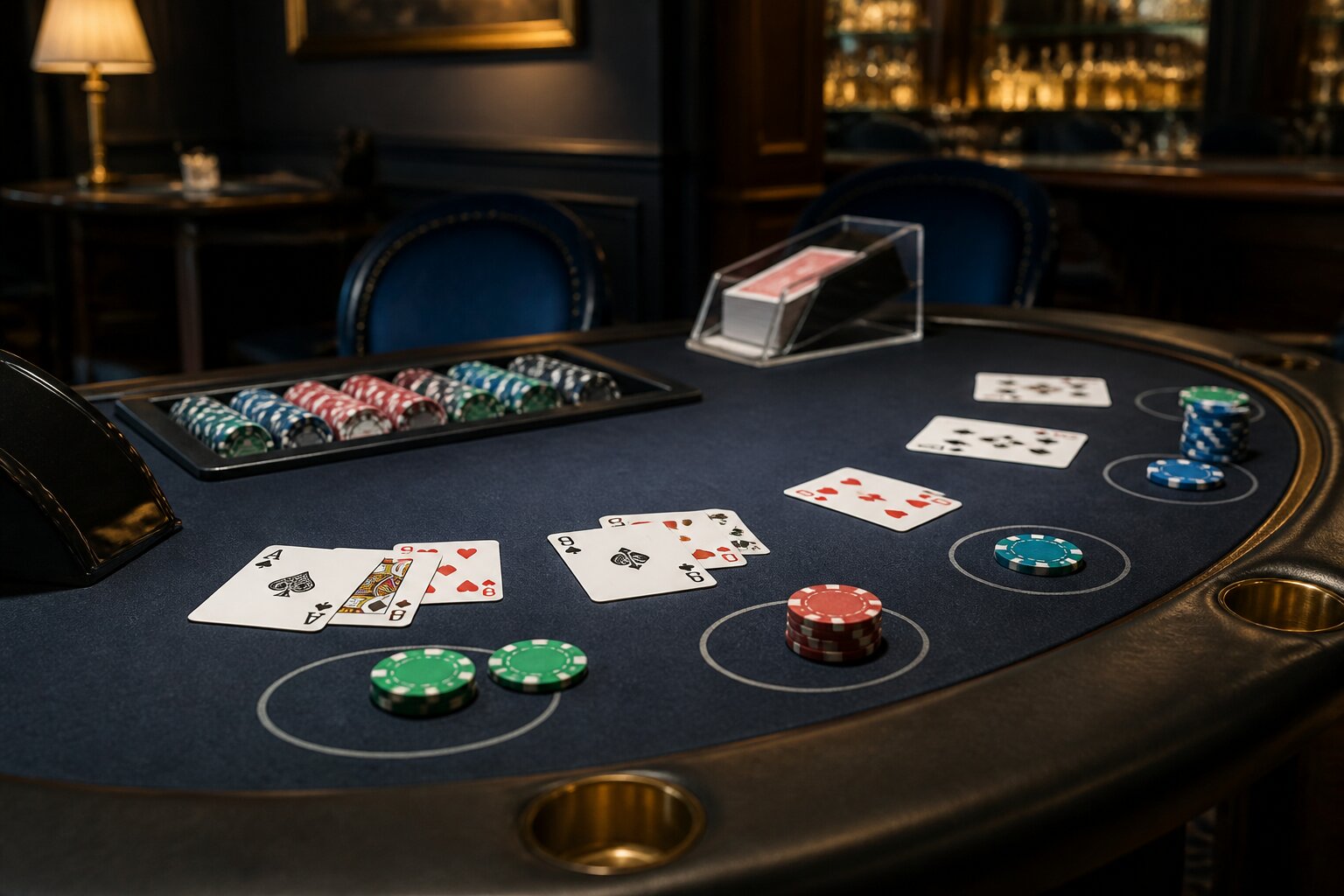
Love playing blackjack but fancy something a bit different to the usual version? You’re in good company. Blackjack is easy to learn, and its many variants give you plenty of ways to keep the game interesting.
Whether you’re after a quicker pace, jackpot prizes, or a fresh rule twist, there’s a variant to suit different tastes and budgets. Each one alters small parts of the classic rules to create a new experience.
Curious which version might suit you best? Read on — we’ll steer you through the most popular types you’re likely to find online and in casinos, so it’s easier to decide what to try next.
What Makes a Blackjack Variant Different?
A blackjack variant changes the standard rules to create a distinct style of play. The basic objective—getting a hand higher than the dealer’s without exceeding 21—remains the same, but how that target is reached can vary a great deal.
Differences appear in the number of decks used, how aces are valued, whether certain moves are allowed (such as splitting or surrendering), and what special side bets or bonuses exist. Some variants add entirely new actions or rename familiar ones, which alters the flow and the decisions players face.
Understanding these tweaks helps you compare games and pick one that matches your preferred balance of risk, reward and complexity.
Classic Blackjack: The Foundation of All Variants
Classic blackjack, often called “21,” is the format most other variants build on. Both you and the dealer receive two cards. Picture cards are worth 10, aces can be 1 or 11, and other cards are at face value. You choose whether to take another card or keep your total; options such as doubling down and splitting arise in certain situations.
The dealer follows a fixed routine, typically standing on 17 and hitting on lower totals. Those dealer rules are central to how the game plays and are often adjusted in different variants to keep the balance when other perks are added.
If you’re new to the variants, starting with classic blackjack helps make sense of later rule changes.
How Does European Blackjack Vary From American Blackjack?
European and American blackjack look similar at a glance but change the timing and dealing in ways that affect decisions.
In European blackjack the dealer is dealt one card face up initially and takes the second card only after players complete their actions. In American blackjack the dealer receives a face-up and a face-down card at the start and may check immediately for a blackjack when the upcard is an ace or ten-value card. Deck counts often differ too: European games commonly use fewer decks than the multi-deck shoes found in many American-style tables.
Those dealing differences influence whether you can split or double in certain situations, and they subtly shift the best choices during play. Knowing which version you’re at keeps surprises to a minimum.
Pontoon and Spanish 21: Unique Takes on the Classic Game
Pontoon and Spanish 21 introduce distinctive rule sets that change the strategy and reward structure.
Pontoon hides both dealer cards initially and uses different terminology — for example, “twist” instead of “hit” and “stick” instead of “stand.” A two-card 21 is called a “pontoon,” and there are bonuses for certain five-card hands; players must reach a minimum total before they can stick.
Spanish 21 removes the tens from the deck, which reduces the frequency of some hands. To compensate, the game provides extra freedoms such as doubling after splitting and bonus payouts for particular 21 combinations.
Both games shift the risk–reward balance in interesting ways, making them attractive to players who enjoy rules that reward alternative strategies.
To get a real sense of how these rule changes feel at the table, try a few hands in lower-stakes play before moving to larger bets.
Progressive Blackjack: What Is It and How Does It Work?
Progressive blackjack adds an optional jackpot alongside the main game. Players can place a small side bet that feeds into a growing prize pool; the jackpot is won when a rare qualifying hand appears, commonly something like four suited aces.
That side bet is separate from the main stake and doesn’t alter the standard blackjack outcome. The jackpot’s rarity means the prize can grow substantial, but the chance to win it is low, so the side bet is best viewed as a high-variance extra rather than a path to consistent returns.
If you prefer a game with an occasional big payoff, progressive blackjack can be appealing. Consider treating the side bet as entertainment rather than an expectation of winning, and factor it into your overall bankroll decisions.
Is Switch Blackjack Really That Different?
Switch blackjack gives you two hands and the option to swap the top card between them. You place equal bets on both hands and, after the deal, may exchange a card to try to improve either hand.
To keep the game fair, several compensating rules are usually applied. For example, a dealer total of 22 might be treated as a draw against non-busted player hands, and natural blackjacks often pay even money. Those adjustments make switching a meaningful tactical choice rather than a decisive advantage.
Switch play rewards a different kind of thinking: you evaluate combinations across two hands rather than concentrating on a single line. It’s a good fit if you enjoy weighing small trade-offs and reading how your two hands interact.
Double Exposure Blackjack: What Sets It Apart?
Double Exposure deals both of the dealer’s cards face up, so you see the dealer’s full hand from the start. That visibility changes how you assess risk and shapes which plays are sensible.
To balance that extra information, the game typically applies rule changes: naturals may pay even money, ties usually go to the dealer, and certain doubling or splitting options can be restricted. These modifications prevent the open information from giving an overwhelming edge.
Double Exposure turns a familiar game into one of clearer information and tighter margins; players who like using visible data to guide decisions will find it engaging.
Common Myths About Blackjack Variants
There are a few persistent misunderstandings worth clearing up before you play.
One myth is that certain variants guarantee better financial returns. In truth, rule changes alter the house edge and the style of play, but none ensure consistent winnings. Another mistaken idea is that particular betting systems can overcome the house edge; while disciplined staking may help manage losses, it does not change the underlying odds.
People also overestimate side bets, thinking they improve overall outcomes. Side bets are separate features with their own paytables and odds; they offer occasional excitement but typically carry a higher house edge than the main game.
Knowing how rules affect house advantage and payoff structures is more useful than relying on supposed shortcuts.
How to Choose the Best Blackjack Variant for You
Choosing a variant starts with how you like to play. If you prefer straightforward strategy and familiar pacing, classic blackjack is the natural choice. If you enjoy extra options, side bets or unusual mechanics, variants such as Pontoon, Switch or Progressive blackjack provide fresh tactical decisions.
Look at the specific rule changes and how they alter payouts or allowed actions. Paytables, deck counts and dealer behaviour matter because they change the relative value of different moves. Trying different versions at low stakes or in play-money modes is a practical way to see which suits your style.
Make sure any extra bets or features fit your budget and overall plan — treat them as optional enhancements rather than necessities.
Where Can You Play Different Types of Blackjack Online in the UK?
There are many online platforms offering both classic and alternative blackjack games, including live-dealer tables and automated versions. Choose sites that are licensed and regulated in the UK to ensure fair play and secure transactions.
Reputable operators list their game types clearly, so you can compare rules and try variants in lower-stakes rooms first. Age and identity checks are standard, and most platforms offer tools to set deposit limits, time reminders and other controls to help you manage play.
You must be at least 18 to play online in the UK. If you ever want guidance on controlling your play, regulated sites provide information and support tools to help you stick to your limits.
Thank you for reading — if you’d like, you can try a few of these variants in our game library to see which suits you best.
**The information provided in this blog is intended for educational purposes and should not be construed as betting advice or a guarantee of success. Always gamble responsibly.