
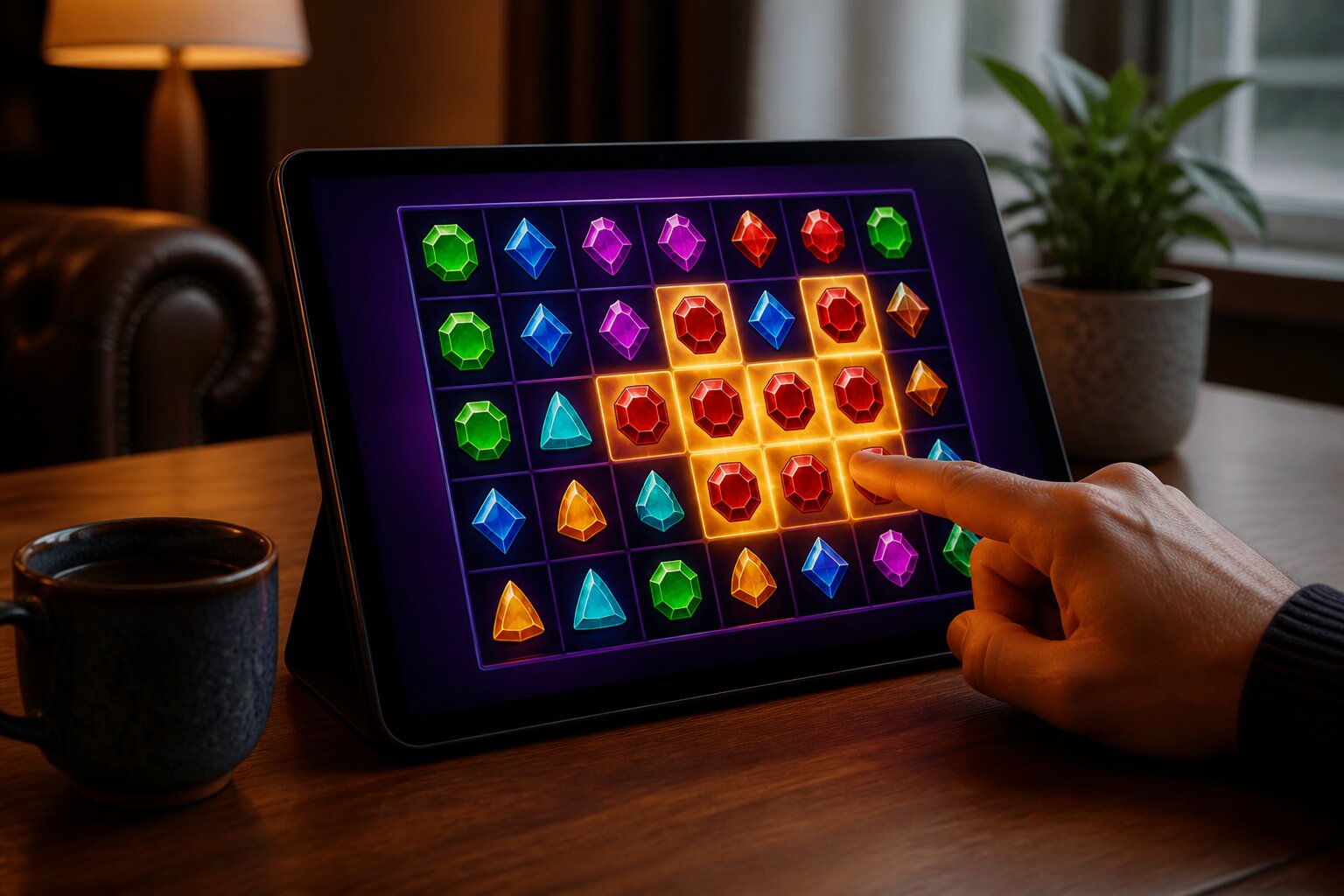
If you've started to find classic slot reels a touch predictable, grid slots and cluster pays offer a fresh alternative. They replace fixed reels and paylines with grids where symbols interact in new ways, creating a different kind of excitement.
These games tend to be fast-paced and feature-rich, with cascading symbols and bonus mechanics that change the way a single spin can play out. Whether you’re curious about the mechanics or deciding which style suits you, this guide walks through the essentials with clear examples and practical context.
Read on for explanations, common misconceptions, and tips to help you pick a grid slot that matches your preferences.
What Are Grid Slot Games?
Grid slot games swap the familiar spinning reels for a block-like arrangement of symbols. Instead of symbols lining up on predefined paylines, each space in the grid can host a symbol, and wins are often formed from groups of matching symbols rather than lines.
Common grid sizes include 5x5 and 6x6, though developers experiment with larger or irregular layouts too. Because any symbol can land in any position, winning combinations can appear across the playing area rather than along a narrow path, which alters how a round unfolds and how features interact.
This format also lends itself to mechanics that are harder to translate into classic reels, such as cascading removals, expanding symbols or area-based bonuses. The result is a play style that still feels familiar but often offers more layered interactions within each spin.
How Do Cluster Pays Work in Grid Slots?
Cluster pays replace paylines with the idea of a cluster: a group of identical symbols touching one another horizontally or vertically. Typically, four or more adjacent matches are needed to trigger a win, though specific thresholds vary by game.
When a qualifying cluster forms, the game highlights those symbols and removes them. New symbols fall into the empty spaces, which can form additional clusters in the same round. These cascades can produce a sequence of wins from a single initial outcome and are often where multipliers or escalating rewards appear.
Payouts depend on the cluster size and the symbol values defined in the paytable. Higher-value symbols in larger clusters will generate larger returns within the game’s established parameters. The chain reactions and changing grid state are key to the appeal: one spin can lead to multiple outcomes without needing to place extra bets.
Grid Formats vs Traditional Slot Reels
The core difference between grid slots and traditional reels lies in layout and win conditions. Classic slots use a limited number of reels and fixed paylines, and wins occur when symbols align along those lines. Grid slots abandon those lines and instead rely on area-based matches and interactions.
This alternative layout allows for mechanics like cascading removals and expanding symbols, which make the play area evolve within a single round. Traditional reels tend to centre on the spin-and-stop moment, while grid formats reward the evolving state of the board as symbols shift and combine.
Despite these mechanical differences, both formats use certified random number generation to determine outcomes. The gameplay experience shifts, but the underlying fairness framework and the need to set personal limits remain consistent across both types.
Popular Features Found in Grid Slots
Grid slots commonly include features that take advantage of the open layout. Cascading symbols are standard: after a winning cluster is removed, new symbols drop in and can trigger further wins. Many titles attach multipliers to successive cascades, raising the potential value of a single round.
Wilds and symbol substitutions appear in grid games as well, helping to complete clusters or transform lower-value symbols into more valuable ones. Bonus rounds and free-spin-like mechanics may activate from particular clusters or scatter-like symbols, sometimes moving play to a separate mode where different rules apply.
Developers also experiment with modifiers such as expanding symbols that cover multiple cells, locked symbols that persist for several cascades, or board modifiers that alter symbol behaviour. These features are intended to create variety within rounds and to make the grid feel more dynamic than a standard reel layout.
Why Are Grid Slots So Popular?
Grid slots attract players because they change the rhythm of a round. The cascading events and shifting board state make each spin feel more like a small puzzle, where one result can lead to several follow-up outcomes within the same stake.
Visual effects and interactive mechanics add to the appeal, but many players simply enjoy the variety: different themes, varying grid shapes and evolving features mean there’s a lot of design space for developers. That variety makes it easier to find a title that fits individual tastes, whether someone prefers frequent small wins or the chance for larger clustered payouts.
Popularity doesn’t alter the basic nature of the games, so it’s worth picking a title for the features and volatility it offers rather than for reputational reasons alone.
Are Grid Slots Fair and Random?
Grid slots are governed by the same technical and regulatory standards as other online casino games. Each title uses a Random Number Generator (RNG) to determine symbol outcomes, and independent testing bodies audit these systems to confirm that results are produced according to stated specifications and the game’s return-to-player (RTP) figure.
Regulators require regular checks and transparent information about RTP and game rules, which helps ensure that the mechanics behave as advertised. Because outcomes are generated by certified systems, players cannot predict or influence individual results.
Understanding that a game is independently tested and that its RTP is published helps players evaluate titles on objective terms: look at the paytable, volatility and feature behaviour rather than trying to infer patterns from past spins.
Common Myths About Grid Slots & Cluster Pays
Several persistent myths surround grid slots, but they don’t hold up when you look at how the games are designed. One misconception is that players can detect patterns or use timing strategies to force a win; RNGs make each outcome independent, so past results don’t change the probabilities of future ones.
Another myth is that certain betting methods or play durations will influence results. While bankroll management can affect how long a session lasts, it does not alter the game’s random mechanics or its RTP. Finally, some believe that prolonged play guarantees a win; there are no guarantees—outcomes remain probabilistic within the game’s defined parameters.
Clearing up these misunderstandings helps set realistic expectations and makes it easier to choose games that match a player’s preferences.
How to Choose the Best Grid Slot for You
With a wide selection available, choosing a grid slot comes down to matching the game’s traits to your preferences. Consider the theme and visuals if presentation matters to you, or focus on volatility if you have a clear idea of whether you prefer more frequent smaller wins or rarer larger ones.
Examine the paytable and feature descriptions to understand how cascades, multipliers and special symbols behave. Not all grid mechanics are the same: some games prioritise extended cascade chains with growing multipliers, while others offer locked symbols and separate bonus modes.
Use site tools to set spending and session boundaries so your play aligns with your intended budget. Taking a little time to sample a few games—many offer demo modes—can help you see which mechanics and pacing you enjoy without committing funds.
If you’d like, explore our curated list of games, including grid titles that highlight different volatility levels and feature sets to find one that matches your style.
**The information provided in this blog is intended for educational purposes and should not be construed as betting advice or a guarantee of success. Always gamble responsibly.