
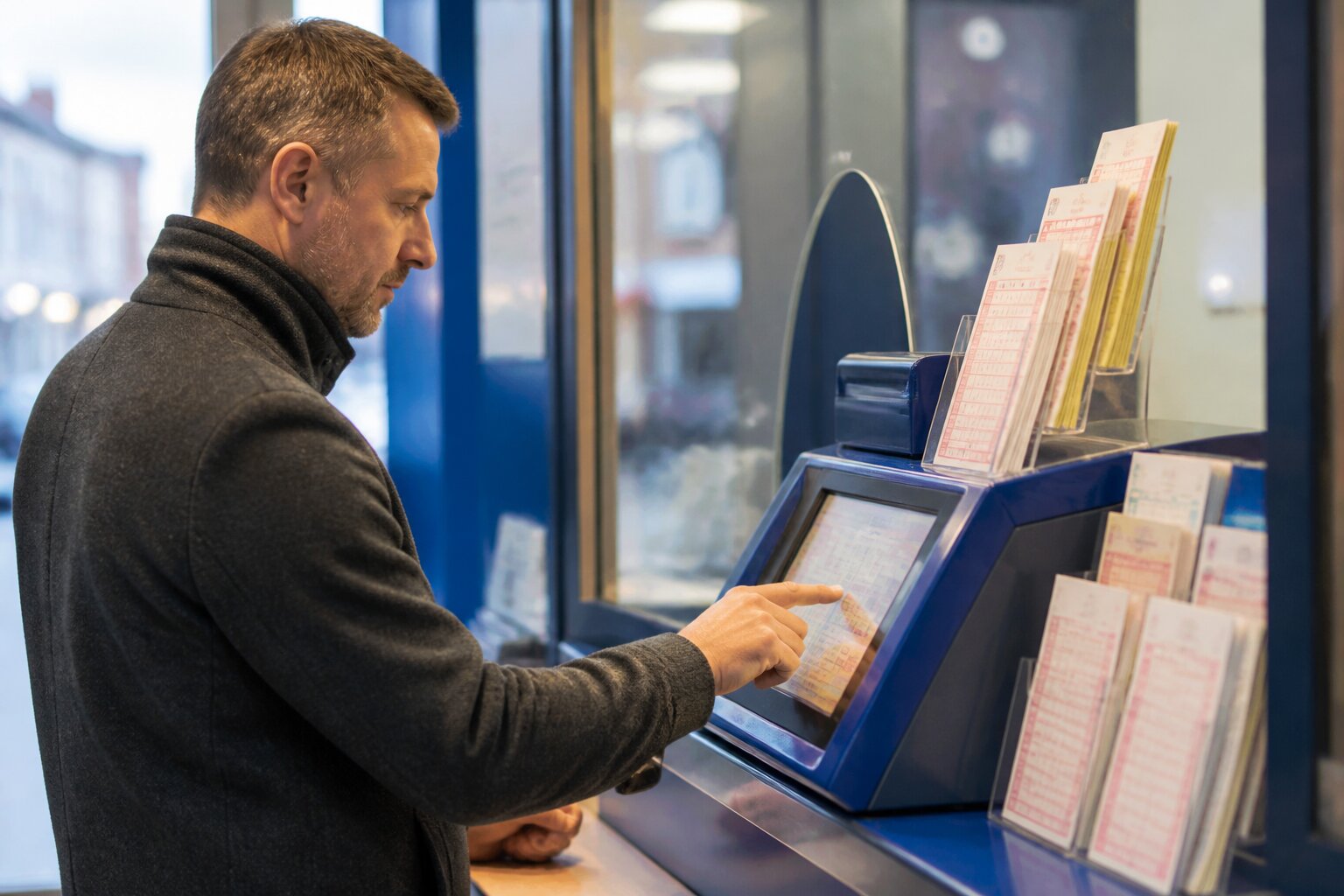
Have you ever thought about getting ahead and picking up your lottery tickets early? Many players like to plan in advance so they do not miss particular draw dates or their preferred numbers.
Whether you play Lotto, EuroMillions or Thunderball, there are clear rules about when tickets go on sale and when they must be bought by. Read on to find out the exact advance windows for each game and practical tips to keep your play organised.
Understanding UK Lottery Ticket Purchase Windows
Each lottery game in the UK has defined times when ticket sales open and close. For the main draws, new tickets usually become available shortly after the previous draw has finished, and sales stop at a fixed time on draw night to make sure every entry is counted fairly.
For many games the sales cut-off on draw nights is 7:30pm. Players can generally enter multiple future draws using an advance-play option available in shops and online. The practical effect is that you can plan several weeks of entries at once while keeping track of when each draw occurs.
All participants must be aged 18 or over, in line with UK regulations, and operators provide tools to help people manage their spending. Next, we’ll break down the limits for each game so you can see how far ahead you can buy tickets.
How Many Days Ahead Can You Buy Different UK Lottery Tickets?
Advance purchase limits vary by game, and knowing those limits helps you plan your entries without guesswork. Being aware of the typical windows available for each game also reduces the chance of missing a cut-off and helps you decide whether to use single purchases, multiple draws or a subscription where available. Below, each game’s typical advance window is explained so you can match your plans to the correct schedule.
National Lottery Draws: Advance Purchase Limits
For Lotto, Thunderball and Set For Life, players can normally buy tickets for up to eight consecutive draws ahead. In practical terms this covers the coming four weeks of draws for games held twice weekly, so you can arrange entries for the next set of scheduled draws without returning to the shop or website each time.
It is sensible to check the precise cut-off times for each draw, because purchases must be made before that deadline on draw days. While the eight-draw window is the usual limit, operators may adjust their offerings from time to time, so confirming the current rules on the official site or from the retailer will ensure your entries are valid.
EuroMillions and Other Draw Games: What to Expect
EuroMillions advance purchase is typically limited to four draws ahead, covering the next two weeks of Tuesday and Friday draws. Similar limits tend to apply to comparable draw-based games.
These windows are intended to provide convenience while keeping the system straightforward for players and operators alike. As with other games, you should check the specific cut-off times and any regional variations before buying, since policies can change and some retailers or online platforms may offer additional options such as subscriptions or syndicate entries under separate terms.
With those limits in mind, the next section looks at whether the way you buy — in person or online — affects how advance purchases are handled.
Are There Differences Between Retail and Online Advance Purchases?
Both retail and online channels allow advance play, but they differ in convenience and record-keeping. In a shop, the cashier will process an advance-play request at the till; online, the platform records your entries automatically and usually sends confirmations by email.
Online accounts also make it easier to view which draws you are entered for and to pause or cancel future entries if plans change. Despite these practical differences, the fundamental rules for how far ahead you can buy are the same in both settings. If you prefer a paper receipt or a digital record, choose the method that fits your routine and moves on to how timing errors are handled.
What Happens if You Buy a Ticket Too Early or Too Late?
Sales systems will not accept purchases outside the permitted window. If a ticket is attempted before the advance window opens, the sale will not process. Likewise, purchases after the official cut-off on draw night will be blocked and, where systems allow, may be entered into the next available draw rather than the one that has already closed.
These safeguards ensure every entry is registered for the correct draw and that results can be verified accurately. The time and date recorded with your receipt or on-screen confirmation will show which draw your entry relates to, so you can check this if you are unsure. Where a transaction is prevented by the cut-off, most systems will provide an immediate notification or error message explaining why the purchase did not complete.
Knowing how the timing works reduces the chance of confusion when planning multiple draws in advance. If you believe a payment was taken in error or your entry was not recorded for the intended draw, contact customer support and refer to the transaction reference shown on your confirmation. It is also sensible to review the operator’s terms and conditions about cut-off times and refunds so you understand how these situations are handled.
Can You Buy Tickets in Advance for Syndicate Play?
Syndicate entries follow the same advance limits as individual tickets. A named organiser will usually make purchases on behalf of the group, selecting the number of future draws to cover the syndicate’s participation. It is important that organisers check any operator limits and ensure they do not exceed the permitted advance-purchase window for each member, and that every participant is eligible to play under the operator’s terms.
Clear agreements about contribution and prize sharing are important so everyone knows which draws they are covered for. These agreements should set out what happens if someone misses a payment, if new members join, or if the organiser can no longer manage the syndicate. Having written or electronic confirmation of the arrangement reduces the risk of misunderstandings.
Keeping a simple record of which draws are paid for and who is in the syndicate helps avoid disputes later. Useful details to note include who paid what, the dates of payments, and the specific draws those payments cover. If your operator has a formal system for syndicates, use it, and if not, make sure all members receive copies of the record.
With the mechanics covered, the next section examines some common misunderstandings about buying in advance. This will look at typical questions about refunds, transfers of entries, and what happens when a ticket holder cannot be contacted after a win.
Common Myths About Buying Lottery Tickets in Advance
A few persistent myths circulate about advance purchases. One is that buying earlier changes the chances of a ticket being successful; in fact, all entries bought within the official window are treated the same. Another is that advance tickets receive special handling or priority; they do not — each ticket is allocated to the draw it was purchased for and processed identically.
Concerns about extra risk with advance purchases are largely misplaced because both retail and online systems keep clear records. In short, advance play is a convenience and a planning tool rather than a performance enhancer. With myths cleared up, the final section sums up the practical points to remember when buying ahead.
Key Takeaways on Buying Lottery Tickets Early
Buying tickets in advance is a useful way to stay organised without affecting how entries are processed. Typical limits are up to eight draws ahead for Lotto, Thunderball and Set For Life, and up to four draws ahead for EuroMillions, though exact windows depend on each game’s schedule.
Both shop and online purchases follow the same timing rules, and all players must be 18 or older. Keep a record of your entries, agree terms for any syndicate play, and use the tools provided by operators to manage spending. These measures help ensure a clear, fair experience when planning entries for multiple draws.
**The information provided in this blog is intended for educational purposes and should not be construed as betting advice or a guarantee of success. Always gamble responsibly.